Orlando Roadside Assistance (407) 241-2139

Light-Duty Towing in Orlando, FL

The car will not start, a tire is torn past repair, or the damage is too much to drive. Call the line, say where the car sits and where you want it taken. A roadside operator loads a car or light truck onto a flatbed or hooks it with a wheel-lift. The quote, with the distance, comes first.

Roadside Assistance Emergency LineOrlando, Florida

Answered 24 hours, 7 daysQuoted on the call

What moves the quote

  • Light-duty towingA car or light truck taken to the shop you pick

    Flatbed or wheel-lift, all-wheel drive, the distance, a garage, a theme park lot or a highway shoulder.

Have this ready when you call

  1. Where the car is now, and the shop or address where you want it taken
  2. Year, make and model, and whether it is all-wheel drive or electric
  3. Whether the car can roll, steer and shift into neutral
(407) 241-2139

What kind of towing does this Orlando line do?

This line tows light-duty vehicles only: passenger cars, SUVs, vans and light pickups. It does not tow semis, box trucks, buses or RVs. Call and describe the vehicle so the operator can confirm it fits.

Light-duty means the kind of vehicle most people drive around Orlando: sedans, crossovers, minivans and half-ton pickups. Heavy trucks, big motorhomes, dump trucks and tractors need a different class of tow truck with a different crew. If your vehicle is large, say so right away so you are not left waiting for a truck that cannot take it. Trailers and lifted trucks with big tires are a gray area, and the operator will ask for the height and the weight if you know them. Mention modifications such as a lowered car, a lift kit or a wide aftermarket wheel, since they change how a car loads. A tow is also one answer to many other roadside problems, such as a tire past repair, a dead battery that will not take a charge or a wreck.
Flatbed or wheel-lift: which one will tow my car in Orlando?

A flatbed carries the whole car on its bed with the wheels off the ground, while a wheel-lift raises two wheels and rolls on the other two. The operator picks the one that suits your car and where it sits.

A flatbed is the safer way for low cars, damaged cars, cars with a flat tire on the end that would be lifted, and anything with a drive system that should not turn. A wheel-lift is quick and works well in tight spots, such as a parking structure with low clearance, where a flatbed may not fit. The operator will ask what the car has: front-drive or rear-drive, a low front bumper, a broken tire or a bad wheel. Your answer decides the method. Tell the operator if the transmission cannot be put in neutral, if the steering is locked or if the parking brake is stuck. If you aren't sure, describe what happened and what you hear, and the operator will work out the load. In a lot or a garage, give the clearance height if it is posted.

Does my all-wheel-drive car need a flatbed in Orlando?

Yes, an all-wheel-drive car should go on a flatbed, since pulling it with two wheels on the road can strain the drivetrain. Tell the operator your car is all-wheel drive when you call.

In an all-wheel-drive car, the front and rear wheels are linked through the transmission and drive shafts. When two wheels roll on the pavement and two are lifted, the drivetrain turns against itself. That can damage the center differential or the clutch pack, which is an expensive repair. Many crossovers and SUVs around Orlando are all-wheel drive, including some that look like ordinary front-drive cars, so check the manual or the badge on the back. Electric cars and some hybrids also call for a flatbed. A flatbed lifts the whole car and avoids all of that. If a flatbed cannot reach the car, such as in a garage with a low roof, the operator may use dollies under the wheels that stay on the ground, and will explain the plan on the call.

Where can my car be towed from Orlando?

You choose the destination: the shop you trust, a dealer, your home or another address. The distance goes into the quote, so give the address before the truck is sent.

Many people already have a shop in Winter Park, Apopka or Kissimmee, or a dealer near the car's home. Others have no shop and need advice. In that case the operator can suggest a plan, such as home first, then a shop in the morning when the doors open. A tow to a shop that is closed leaves the car outside the building, so check the hours and the drop-off policy. If the shop has a key box or a lot, ask about it. If the car is going to a dealer, call first about where to leave it. Some shops want you to be there, and others accept a car after hours. Tell the operator if the destination has a gate or a low clearance. Photos of the car at the drop-off protect you if there is ever a question about the car's condition.

Can a tow truck get my car out of a parking garage or theme park lot in Orlando?

Yes, but the operator needs to know the level, the clearance and the gate or ticket rules before the truck is sent. Garages near the parks and the airport have low roofs that a standard flatbed cannot enter.

A flatbed is tall, and many parking structures post a clearance of seven feet or so. In that case the operator may bring a wheel-lift truck, or use a small tow dolly or skates to roll the car out. Give the garage name, the level, the section and the space number. Mention a ticket, a prepaid pass or a gate that requires payment. In a theme park lot, a tram or a security booth may have its own rules for vehicles that stay past closing. If the car is in the open on a surface lot, the job is simple. Be ready to show your ID and the registration, since the operator confirms the car is yours. Lot attendants and security may ask the truck to check in at the gate. If you are tired and the family is with you, tell the operator so the plan accounts for it.

What happens with a tow from the shoulder of I-4 or a toll road in Orlando?

Move the car to the shoulder if it can roll, turn on the hazard lights and call 911 if you are in a travel lane or hurt. The operator then plans a safe loading spot with traffic in mind.

On I-4, SR 408, SR 417, SR 528 and the Turnpike, a tow takes place close to fast traffic. Stay in the car with the belt on if the shoulder is narrow, or stand well back behind the barrier if the shoulder is wide. Florida's Move Over law asks passing drivers to change lanes or slow down for a disabled vehicle with its hazard lights on. The Road Rangers patrol at *347 can help at no charge in daytime on the CFX roads, and they can move a car to a safe spot. A paid tow from (407) 241-2139 covers the rest, at any hour. The operator needs the road, the direction, the nearest exit and the mile marker. Do not try to reach into the car for belongings while traffic passes. The operator will load the car and stop at the next safe exit to confirm the drop-off.

What should I do about towing after a crash in Orlando?

Call 911 first if anyone is hurt or the car is blocking a lane, and wait for police before arranging a tow. Once the scene is clear, call the line and say what the police said.

After a crash, safety and the police report come before the tow. If officers are on scene, they may have their own process for getting the car off the road, and they may talk to the tow operator about where the vehicle goes. Tell the operator whether the police have released the car and where you want it taken. Photograph the damage, the road and the other vehicles before anything is moved. Write down the report number, if the officer gives you one. Exchange insurance information with the other driver. A car with front-end damage or a bent wheel will be loaded on a flatbed, and fluid on the road is something to mention. Keep your valuables with you, and remember that your insurance company may have its own claim steps, so ask them what to do about the shop and about storage fees.

How is a tow quoted in Orlando, and what should I take out of the car?

A tow is quoted on the call, and the distance from the car to the drop-off address is one of the main factors. Call (407) 241-2139, say where the car is and where it should go, and you hear one number before a truck is sent.

Other things that move the quote are the type of truck needed, an all-wheel-drive or low car, a garage or a lot that slows the load, a winch-out before the tow and the hour of the call. There is no membership and no price on this site, so the quote is the number to listen for. Before the truck loads the car, take out your wallet, phone, medications, child seats, garage openers, toll transponder and anything small. The operator does not carry loose items for you. Take photos of each side of the car. If a tire is the reason for the tow, mention it: the same line handles tire trouble, and a nail or screw in the tread can often be plugged on the spot, which can save the tow. Ask for a receipt that shows the pickup and the drop-off.

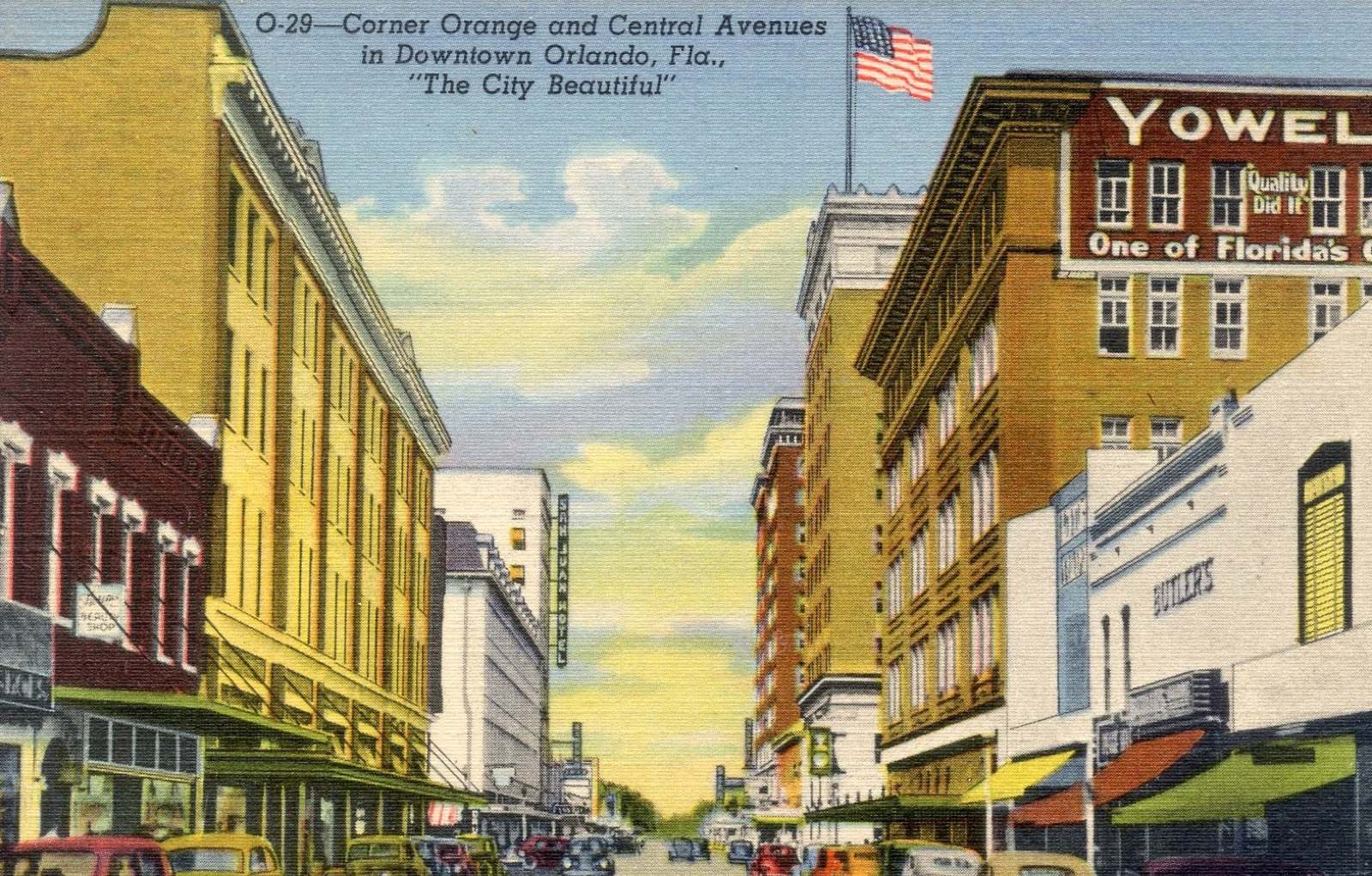
A mid-century postcard of the corner of Orange and Central avenues in downtown Orlando, with cars on the street
Orange and Central avenues in downtown Orlando on a mid-century postcard. The streets are busier now; the corner is the same.

Where's the car?

Fill in the ticket and tap send. It goes to the local operator, who calls you back on the number you give. In a hurry? Call (407) 241-2139 instead.

On a highway, tap the road and your direction, then add the last exit or a cross street. That is enough for the operator to find you.

(407)241-2139

Breakdown ticketOrlando, FL

On a highway? Tap the road, then the direction
Call (407) 241-2139Text