Orlando Roadside Assistance (407) 241-2139

Mobile Tire Repair in Orlando, FL

A screw in the tread, a tire that keeps going soft, a pressure light that came on at the airport. A roadside operator comes to the driveway, the garage level or the shoulder, looks at the tire and plugs it if it can be plugged. You hear the quote first, then when a truck can reach you.

Roadside Assistance Emergency LineOrlando, Florida

Answered 24 hours, 7 daysQuoted on the call

What moves the quote

  • Mobile tire repairA puncture plugged where the car sits

    Where the puncture is in the tread, low-profile or run-flat tires, a driveway or an I-4 shoulder, the hour of the call.

  • Flat tire changeYour spare goes on

    Locking lug nuts without the key, a wheel rusted to the hub, a spare that is low on air, where the car is parked.

Have this ready when you call

  1. Where the car is: street, exit or garage level
  2. Which tire, and whether you can see a nail or screw
  3. Make and model, and a photo of the tread and sidewall if you can text one
(407) 241-2139
Tread: repair zone Shoulderno repair Sidewallno repair Shoulderno repair Sidewallno repair
Tire cross-section. Punctures up to about 1/4 inch in the tread can be repaired; damage in the shoulder or sidewall cannot.

Where a tire can be plugged

Only the flat center of the tread takes a repair. Before plugging, the operator looks at where the nail went in, how big the hole is, and whether the tire was driven flat.

If the damage sits in the shoulder or the sidewall, the fix is a spare, then a new tire. You hear that on the spot, before any work is billed.

How much does mobile tire repair cost in Orlando?

Every mobile tire repair is quoted on the call, because the price depends on where the puncture sits, where the car is and what hour it is. Tell the operator at (407) 241-2139 about the tire and your location, and you hear one number before a truck leaves.

Most of what moves the quote is the setup. A tire in a driveway in Conway is a simple job. A rear tire on a loaded SUV on the shoulder of the 417 takes more care, because the truck has to lift the car safely with traffic going past. A tire that only needs air, and holds it once filled, is a smaller job than a puncture. Low-profile tires and run-flats take longer to handle, and a tire on a car in the lowest level of a garage can take longer to reach. Late-night calls and the far edges of the metro change the number too. The operator asks where the car is, what kind of tire it is and what you can see in the tread, then gives you one number. If the tire turns out to need something different, such as the spare going on instead, the operator explains why before touching anything and you decide whether to go ahead.
Can a nail or screw in my tire be plugged without driving to a shop?

In most cases, yes: a nail or screw in the main tread can be plugged where the car sits, so the tire holds air again. The plug gets you driving. A proper repair from the inside at a tire shop should follow soon after, and the operator will tell you the same.

A roadside plug works by cleaning out the hole with a reaming tool and pulling a sticky rubber cord through it, which seals the puncture from the outside. Done well, it holds air and lets you drive to a shop at normal speeds. A full repair is different: the tire comes off the wheel, the inside is checked for damage you cannot see from outside, and the hole is filled with a combination plug and patch. The inside check matters because a tire driven flat, even a short way, can be chewed up on the inner wall. The plug gets you home and the shop visit finishes the repair. If the nail is still in the tire when you call, leave it there. It is partly sealing the hole, and pulling it out can turn a slow leak into a flat within seconds.

Which tire damage in Orlando cannot be fixed with a plug?

Damage in the sidewall or the shoulder cannot be repaired, and neither can a puncture wider than about a quarter inch. Cuts, bulges, exposed cords and tires driven a long way flat need replacing. The spare goes on so you can reach a shop, or the car is towed.

The tread is the flat part that meets the road, and its center band is the only place a puncture can be fixed. The shoulder, where the tread curves down into the side, and the sidewall flex every time the wheel turns, so a plug there will not stay sealed. A bulge or bubble on the side means the inner cords are broken and the tire could fail at speed. Orlando adds its own causes: curb strikes in tight garages around Thornton Park and downtown, potholes after a week of rain, and debris on the shoulders of I-4 and the toll roads. A tire driven flat on a hot highway also builds up damage along the inner wall that you cannot see. If the operator finds damage that cannot be plugged, you hear it before any work starts. A photo of the sidewall and the tread, texted to the line, helps the operator judge it before the truck leaves.

Does a slow leak or a TPMS light in Orlando need a truck?

Not always. If the light came on and the tire still holds air, adding air may be all it needs for now. If it is low again by the next morning, there is a leak. Call, and the operator can look for the puncture and plug it.

The tire pressure light comes on when one or more tires are well below the pressure printed on the door jamb sticker. It can mean a real puncture, a valve stem that is seeping, or a tire that simply lost air when the weather cooled overnight. Check the tire with a gauge before you drive. If one tire reads far below the other three, look for a nail head in the tread. A tire that loses a few pounds a day has a slow leak, and driving on it low heats the sidewall and can wreck an otherwise fixable tire. In a garage at MetroWest or on International Drive, a truck can come to the car, find the leak and plug it. If the light stays on after the air is correct, the sensor may need a reset or a shop visit, which a roadside plug does not cover.

Why do I get so many flat tires in Orlando in summer?

Heat adds stress to every tire, and Orlando asphalt in summer is hard on a tire that is already low or worn. Pressure rises as the road heats up, and a tire that was a little soft in the morning is run harder by afternoon.

From June to September the pavement on I-4 and the 528 holds heat all afternoon, and tire pressure climbs as the rubber warms. A tire that was a few pounds low at sunrise is flexing more than it should by lunch, and that heat builds in the sidewall. Old tires with cracking along the tread grooves fail first. Afternoon thunderstorms then cool the surface fast and leave standing water, which hides potholes and debris until a tire finds them. Check pressure in the morning before the car has been driven, and look at the tread for cracks and bulges. A tire with visible cracks is not a plug candidate and should be replaced soon. If one fails on the road, the operator can tell from your description whether it is a puncture to plug or a worn-out tire that needs the spare.

Do I get more nails and screws near I-4 construction and new Orlando subdivisions?

Yes, building sites shed screws, nails and cut metal onto nearby roads, and tires pick them up. The roads around active work, from the I-4 corridor to new streets in Horizon West and Lake Nona, are common places for tread punctures.

Where crews are framing houses or tearing out pavement, fasteners fall off trucks and out of bins and end up in the lane. A screw lying flat is usually picked up by the tread and rides in the rubber until it works through, so many people find the tire soft in a driveway the next morning, with a screw head showing in the middle of the tread. These are the punctures a plug handles well, because they sit in the center band. Drive slowly through work zones and keep to the lane the cones set out. If you find a screw, snap a photo, mark the tire's position and call before the tire goes completely flat. A flat driven even a short way can ruin a tire that would otherwise have been fixed.

Can run-flats or low-profile tires be fixed on the roadside in Orlando?

Sometimes. A tread puncture in a low-profile tire can be plugged, but a run-flat that was driven flat usually cannot. Tell the operator the make and model on the call, and say how far the car was driven with the light on.

Run-flat tires have stiff sidewalls that let the car keep moving after a puncture, which is also why a driver may not notice a flat. Many makers advise against repairing a run-flat that has been driven low, because the sidewall flexes and breaks down inside. Low-profile tires on sport trims and many luxury cars have little sidewall to cushion a pothole or curb, so they bend wheels and pinch tires. If the damage is a clean nail in the tread and the tire was not driven flat, a plug can get it to a shop. Rental cars at MCO and the parks often carry a compact spare or only an inflator kit, which is another reason to describe the car on the call. The operator then tells you whether a plug, a spare or a tow is the right call.

What do I do after a roadside plug on an Orlando tire?

Get the tire checked from the inside at a tire shop within a few days, and keep your speed reasonable until then. A plug seals the hole from the outside. A shop can pull the tire off the wheel and apply a proper patch-plug if the inside is sound.

After the plug, check pressure at the next gas station and again the following morning. If it drops, the plug is leaking or there is a second puncture. Ask the shop to dismount the tire and look at the inner liner, because that is where hidden damage shows. Some tires cannot be repaired a second time near the same spot, and a shop may tell you it needs replacing. Keep your receipt from the roadside job in case your insurer or a rental company reimburses it. If you used an inflator kit from the trunk instead of a plug, the sealant in the tire can complicate a shop repair, so tell the shop what was sprayed in. Treat the plugged tire as temporary and book the visit while the tire is still on the car.

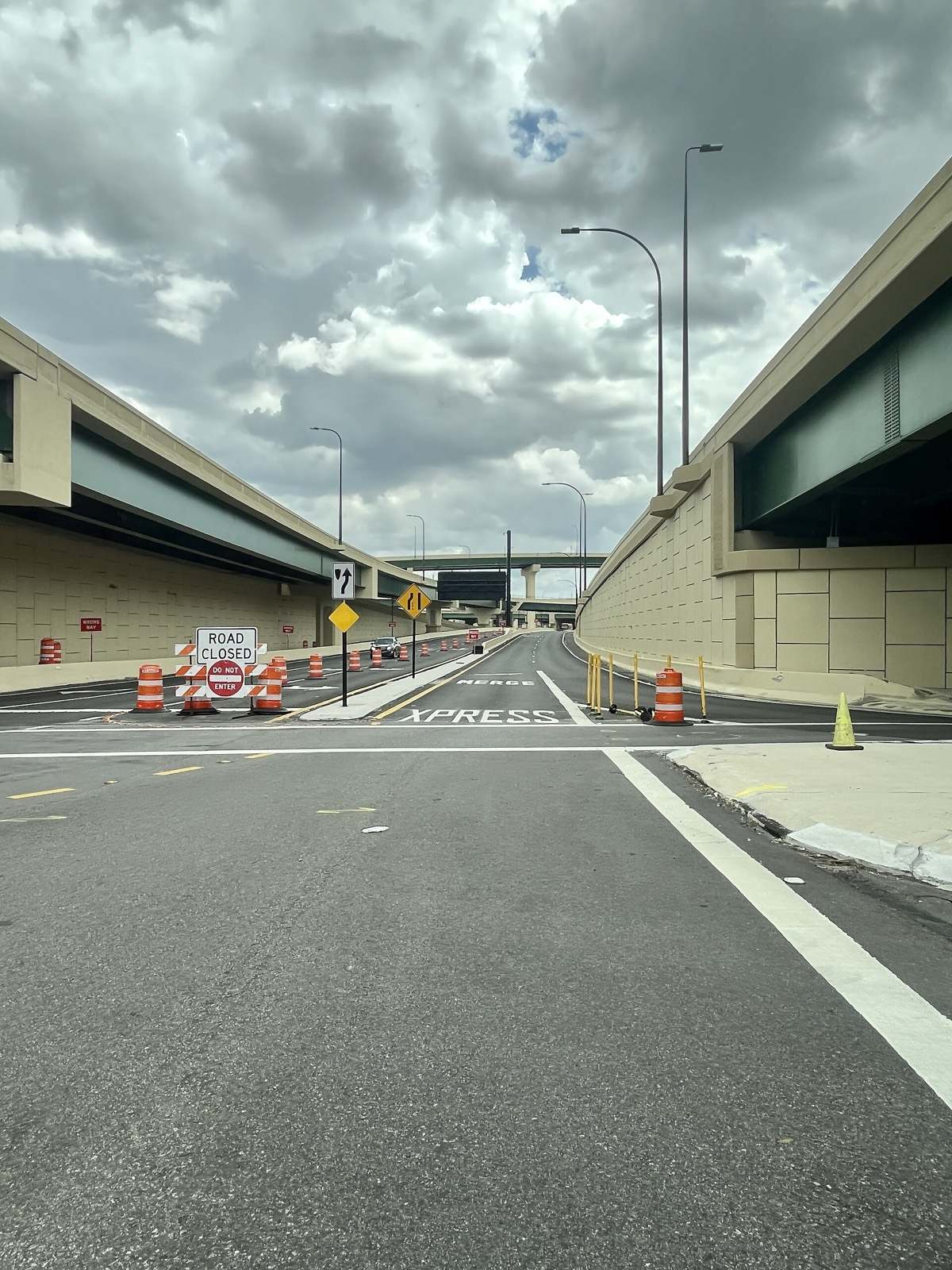
An access ramp to the I-4 Express lanes in Orlando under storm clouds, with orange barrels
The ramp to the I-4 Express lanes in Orlando in 2023, under the afternoon clouds that bring the summer storms.

Where's the car?

Fill in the ticket and tap send. It goes to the local operator, who calls you back on the number you give. In a hurry? Call (407) 241-2139 instead.

On a highway, tap the road and your direction, then add the last exit or a cross street. That is enough for the operator to find you.

(407)241-2139

Breakdown ticketOrlando, FL

On a highway? Tap the road, then the direction
Call (407) 241-2139Text